Is Lead Generation Illegal? The 2026 Compliance Guide for Marketers
 LeadFindX
Is cold emailing illegal? What are the new FCC one-to-one consent rules? Stay protected with our 2026 Lead Generation Compliance Guide. Learn how to navigate GDPR, CAN-SPAM, and CCPA while scaling your B2B and B2C outreach.
Is Lead Generation Illegal? The 2026 Compliance Guide for Marketers
The short answer is no, lead generation is not illegal. However, the way you collect, store, and contact those leads is governed by an increasingly complex web of global privacy laws. In 2026, "I didn't know the rules" is no longer a valid legal defense - it's a fast track to five-figure fines.
Whether you are a lead generation agency or a small business, staying compliant means moving from a "volume-first" mindset to a "consent-first" infrastructure.
1. The 2026 Regulatory Landscape: US vs. EU vs. UK
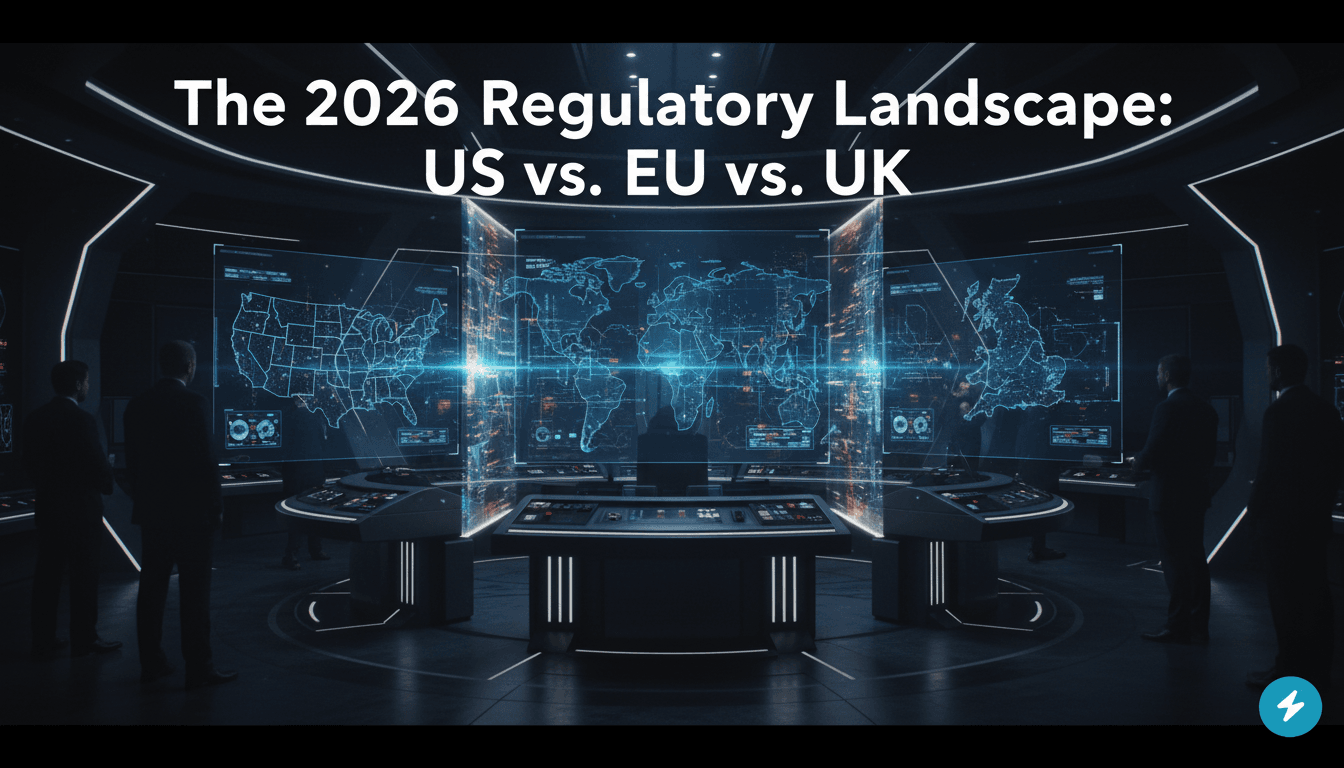
In 2026, your compliance requirements are determined by where the prospect lives, not where your business is based.
| Regulation | Region | Model | Key Focus for 2026 |
|---|---|---|---|
| CAN-SPAM | United States | Opt-Out | Transparency, accurate headers, and 10-day opt-out processing. |
| GDPR | European Union | Opt-In | Explicit consent or documented "Legitimate Interest" for B2B. |
| CCPA/CPRA | California (US) | Opt-Out | "Right to Know" and "Right to Limit" sensitive data use. |
| PECR | United Kingdom | Mixed | Stricter B2B rules compared to the US; focus on "soft opt-ins." |
2. Is Cold Emailing Illegal?
B2B Cold Emailing is legal in most jurisdictions (including the US, UK, and EU) as long as you follow specific professional protocols.
To stay legal under CAN-SPAM and GDPR:
- Accurate Identification: Your "From" and "Subject" lines must represent your real identity. No "clickbait" or misleading headers.
- The Physical Address Rule: Every commercial email must include a valid physical postal address for your business.
- The Unsubscribe Protocol: You must provide a clear, one-click opt-out. In 2026, most regulations now require you to honor these requests within 10 business days.
- Legitimate Interest (GDPR): If emailing an EU citizen without prior consent, you must document a "Legitimate Interest Assessment" (LIA) showing that your offer is directly relevant to their specific job role.
3. The Danger of Buying Email Lists
Is buying email lists legal? Technically, yes - but using them is where the risk lies.
Most lead generation companies sell data, but most Email Service Providers (ESPs) like Mailchimp or Klaviyo strictly forbid the use of purchased lists.
- Risk: Purchased lists often contain "spam traps" (emails designed to catch non-compliant senders).
- 2026 Compliance: If you purchase data, you must verify that the provider obtained "transferable consent" or that the data is sourced from compliant public records for B2B use.
4. Telemarketing & the "One-to-One" Consent Rule
As of late 2024 and throughout 2026, the FCC has tightened automated lead generation rules.
- The Rule: You can no longer get "blanket consent" to share a lead with "marketing partners."
- The Impact: Consent must be "One-to-One." If a user fills out a form, they must specifically check a box for your company to call them. Sharing that lead with 10 different insurance providers without individual consent is now a major TCPA violation.
5. Compliance Best Practices for Lead Generation
To protect your business and your reputation, follow this 2026 Marketing Compliance Checklist:
- Double Opt-In: For inbound lead generation, use a confirmation email to verify the lead’s intent.
- Privacy Policy Transparency: Your lead generation landing page must link to a policy that clearly explains how data is collected, stored, and sold.
- Data Enrichment Verification: If you use lead generation software to find leads, ensure the data is refreshed frequently. Outdated data leads to high bounce rates and "harassment" complaints.
- LeadFindX for Anonymous Intent: Instead of buying cold lists, use tools like LeadFindX to identify companies already visiting your site. Because this is based on first-party intent data from your own property, it is one of the most compliant ways to build an outbound lead generation list.
Final Thoughts: Ethics is a Growth Strategy
In 2026, lead generation ethics aren't just about avoiding lawsuits; they are about deliverability. The major email and telecom providers use AI to filter out non-compliant traffic. If you follow the rules, your messages get through. If you don't, you're invisible.
Now is the time to audit your lead generation process. Are you still using "partner lists" or "hidden" unsubscribe links? If you want to move toward a more compliant, intent-based strategy by identifying the companies already on your site, remember that LeadFindX can do that by lighting up your dark traffic in real-time.